
3G FOR 10C

GGGC
Global Green Growth Co


3G FOR 10C
3G FOR 10C
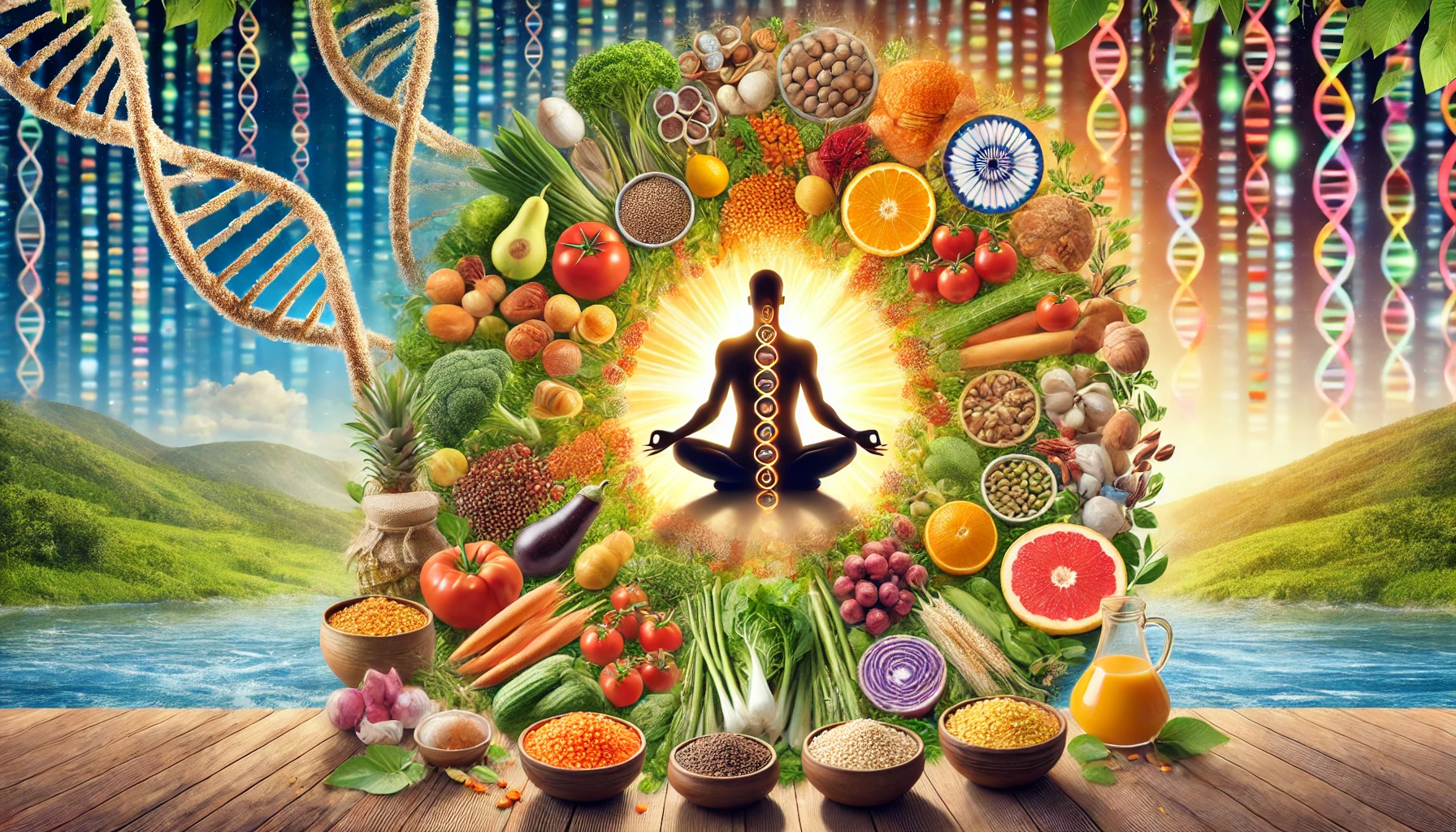
ART OF LIVING HEALTHY: IMPACT OF DIET DIVERSITY AND LIFESTYLE ON AGE REVERSAL & TELOMERES LENGTH (ART)
By CM Biradar, GGGC
In recent years, scientific research and ancient food wisdom have increasingly focused on the relationship between health and lifestyle factors and reversing or slowing the aging process. Particular attention has been paid to how our way of living (diets- more fruits and fresh produce, exercise, yoga, meditation, social, environment) can potentially slow down aging and promote overall health and wellness. One key area of interest is the effect of healthy eating habits and lifestyle choices on telomeres; the protective caps at the ends of our chromosomes play a crucial role in cellular ageing.
Healthy Foods and Aging
Health is a continuum of the soil, water, air, sunlight, flora and fauna, and everything is connected and caring in an integrated system. In the natural system, everything is in sync and synergy. So, how we grow food, diversity, culture, and nature are synch and symbiotic – restoring this union makes the food system sustainable, equitable, inclusive, and healthy [1]. Healthy foods grown under healthy conditions, such as healthy soil and an environment rich in nutrition, antioxidants, flavonoids, omega-3 fatty acids, and other nutrients, have been associated with slower ageing and longer telomeres. A study shows that those who consume good diets have longer telomeres compared to those who don’t [2], and consuming healthy food and balanced diets and diversity helps restore one health and plenty of health [3]. The diet’s high content of vegetables, fruits, nuts, and good fats (e.g., ghee, coconut and olive oil), may contribute to staying healthy and younger [4].
Exercise and Telomere Length
Regular physical activity has been shown to have a positive impact on health and telomere length. A meta-analysis published in the journal Ageing Reversal Research Reviews concluded that individuals who engaged in regular moderate to vigorous exercise had significantly longer telomeres compared to sedentary individuals [5].
Yoga and Meditation
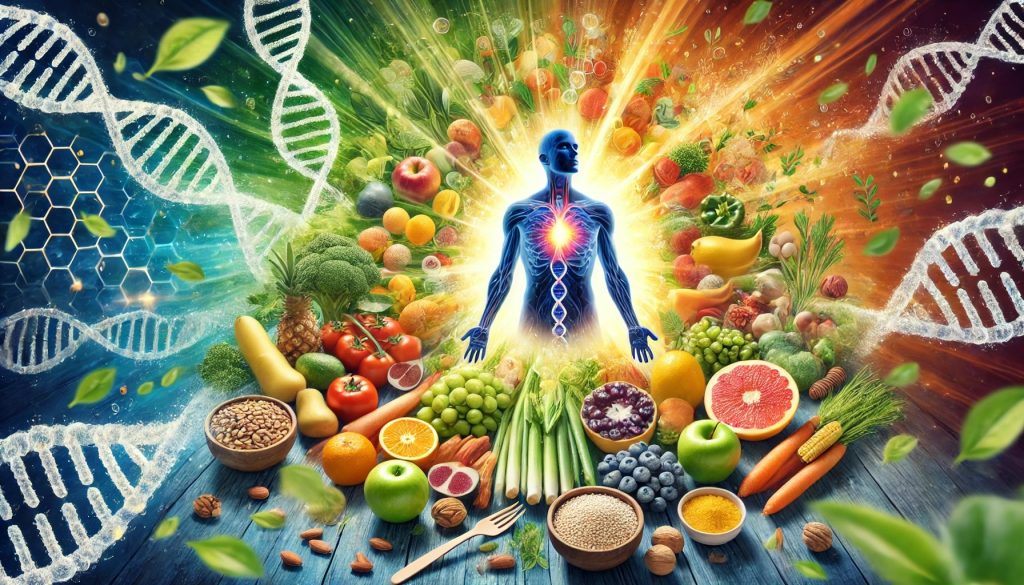
Yoga and meditation, practices that combine physical postures, breathing techniques, and mindfulness, have also been linked to slower cellular aging. A study in the journal Cancer found that breast cancer survivors who practiced yoga had longer telomeres compared to those who didn’t [6]. Similarly, research published in Psychoneuroendocrinology showed that loving-kindness meditation was associated with longer telomeres in women [7].
Lifestyle Interventions and Telomerase Activity
Telomerase, the enzyme responsible for maintaining telomere length, can be influenced by lifestyle factors. A landmark study published in The Lancet Oncology, and Eat Lancets demonstrated that comprehensive lifestyle changes, including a plant-based diet, moderate exercise, stress management techniques, and social support, led to increased telomerase activities[8].
ART of Living Longer and Healthier
Age Reversal Therapy (ART) of living longer, healthier, and wealthier is deeply intertwined with the quality of our nutrition and lifestyle choices. By prioritizing organic, naturally grown foods under healthy soil and enviroment and integrating them with mindful practices like yoga and meditation, we may unlock the potential for extended healthspan – the period of life spent in good health.
While the field of Age Reversal Therapy (ART) is still evolving, the current evidence suggests that an organic, plant-rich diet combined with mindful lifestyle practices offers a promising path to longevity and wellness. As always, it’s important to consult with healthcare professionals when making significant changes to your diet or lifestyle.
While aging is a complex process influenced by various factors, including genetics, mounting evidence suggests that lifestyle choices can play a significant role in how we age at a cellular level. By adopting a healthy diet, engaging in regular exercise, and practicing stress-reduction techniques like yoga and meditation, individuals may be able to positively influence their telomere length and potentially slow down the aging process.
However, it’s important to note that while these diets and lifestyle factors show promise, more research is needed to fully understand their long-term effects on aging and overall health especially urban lifestyles where access to good food is still a challenge. Always consult with elders with food wisdom and healthcare professionals before making significant changes to your diets and lifestyle or starting new health regimens.
References

Transforming India’s Food and Land Systems for a Healthier Future
Insights from the High-Level Plenary on Enabling Sustainable and Resilient Food and Land Systems in India. By CM Biradar
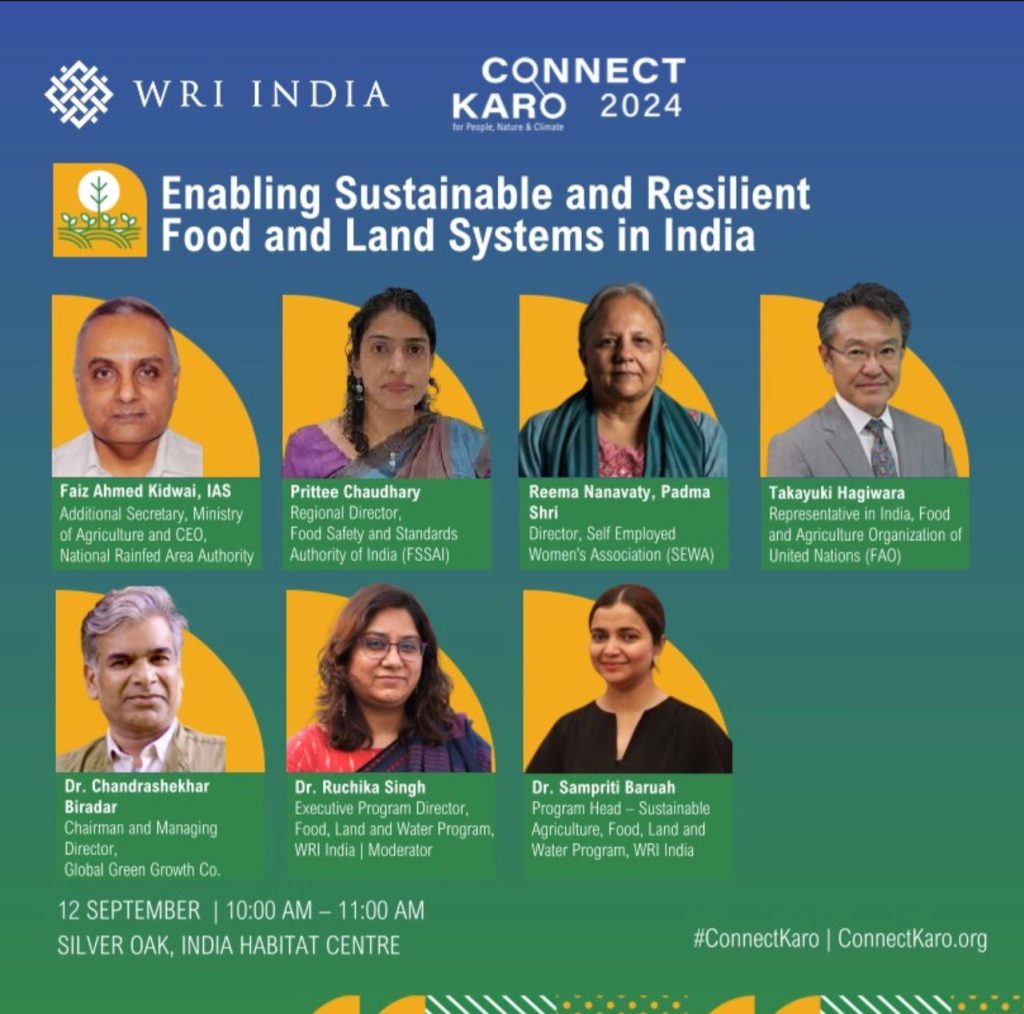
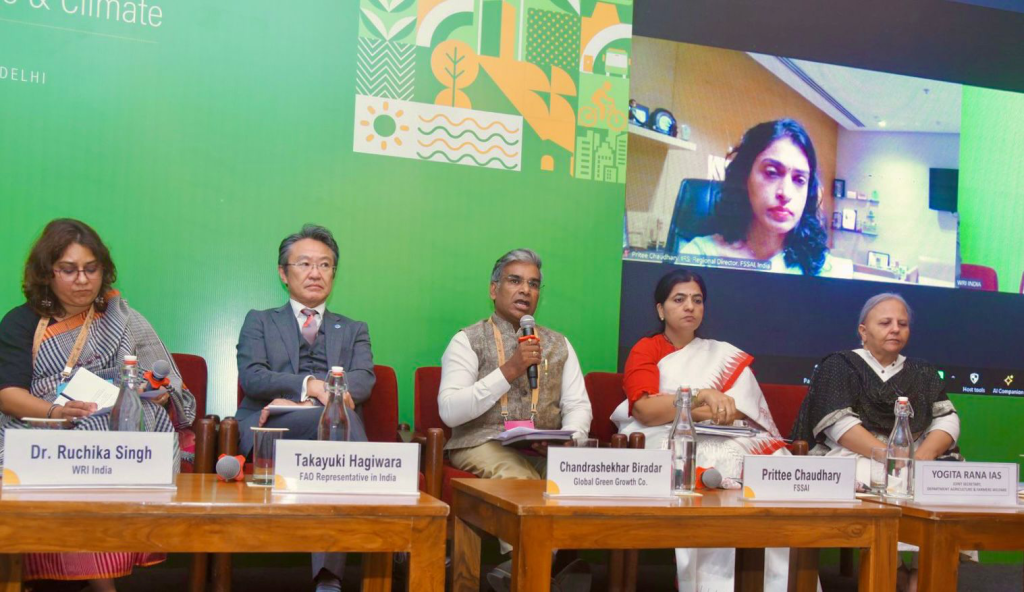
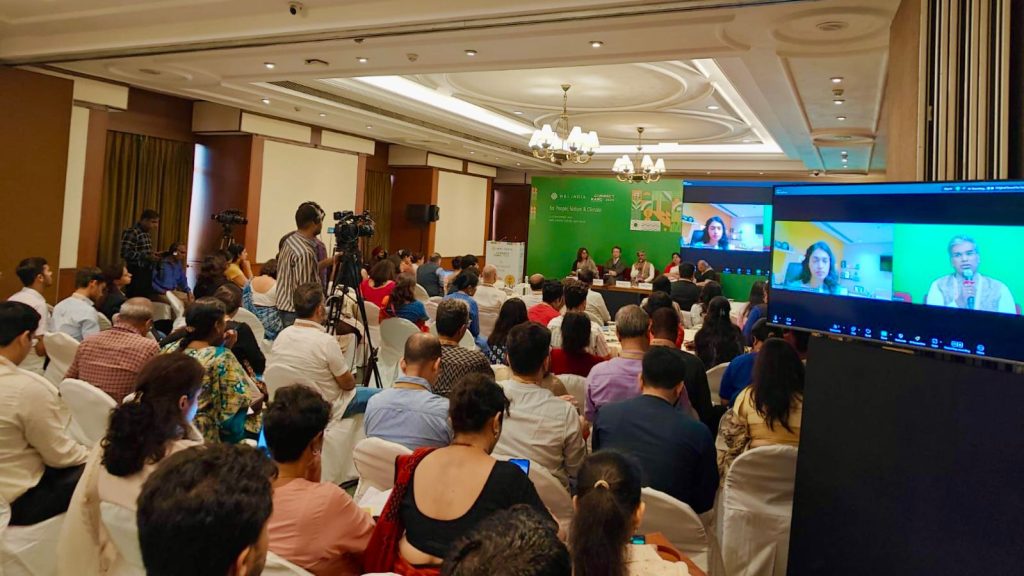
In a world grappling with climate change and public health crises, India stands at a critical crossroads. The recent high-level plenary discussion on “Enabling Sustainable and Resilient Food and Land Systems in India” brought together experts, policymakers, and industry leaders to address one of the most pressing challenges of our time: how to create a food system that nourishes both our people and our planet.
The Interconnected Crisis: Land Degradation and Public Health
The plenary highlighted a stark reality: the health of India’s population is inextricably linked to the health of its land. Consider these sobering statistics:
These figures paint a picture of a nation where the decline in land health is mirrored by a decline in human health. With half of India’s workforce tied to food and land systems, the economic implications of this crisis are profound.
A Holistic Solution: Functional Agroecosystems and Agroforestry
The good news? We have a powerful solution at our fingertips. The plenary emphasized the potential of functional agroecosystems and agroforestry to address both land and human health simultaneously. This approach focuses on creating systems characterized by “five highs”:
The Multiple Benefits of Transformation
By embracing functional agroecosystems, with focus on land, water and food in India stands to gain on multiple fronts:
Charting the Path Forward
Implementing this vision will require a concerted effort across sectors. The plenary outlined a multi-pronged strategy:
A Call to Action
The transformation of India’s food and land systems is not just an environmental or agricultural initiative—it’s a comprehensive strategy for national health and prosperity. As we are heading towards grassroots level action for global change and Global Green Growth transition to reflect on the insights from this plenary, we’re more convinced than ever of the urgent need for action.
We call on policymakers, businesses, farmers, and citizens to unite behind this vision. By working together to implement functional agroecosystems and agroforestry practices, we can create a healthier, more resilient, and more prosperous India.
The path to a sustainable future is clear. It’s time to nurture our land, so it can nurture us in return. Join us in this crucial endeavor to transform India’s food and land systems—for the health of our nation and generations to come.
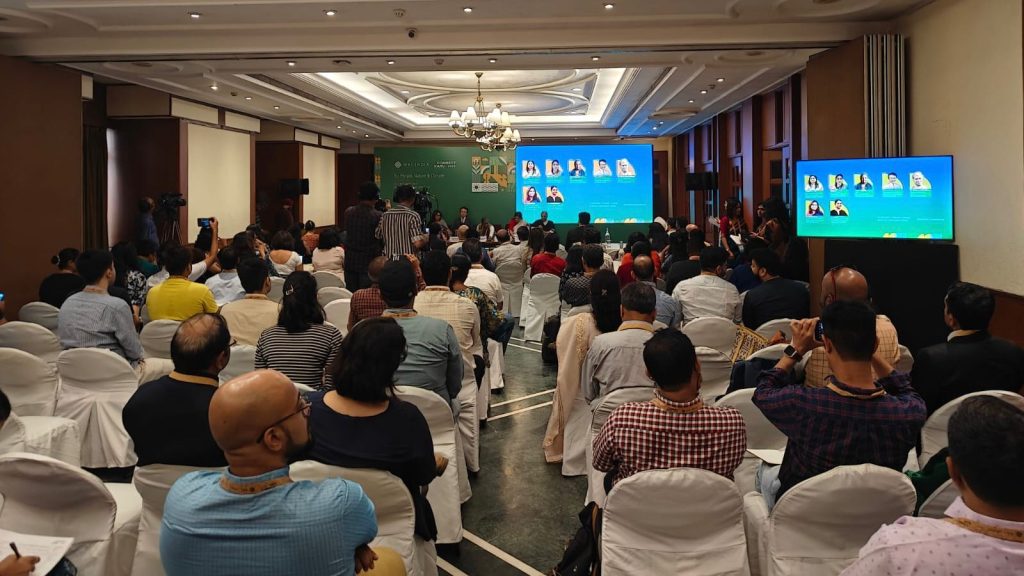
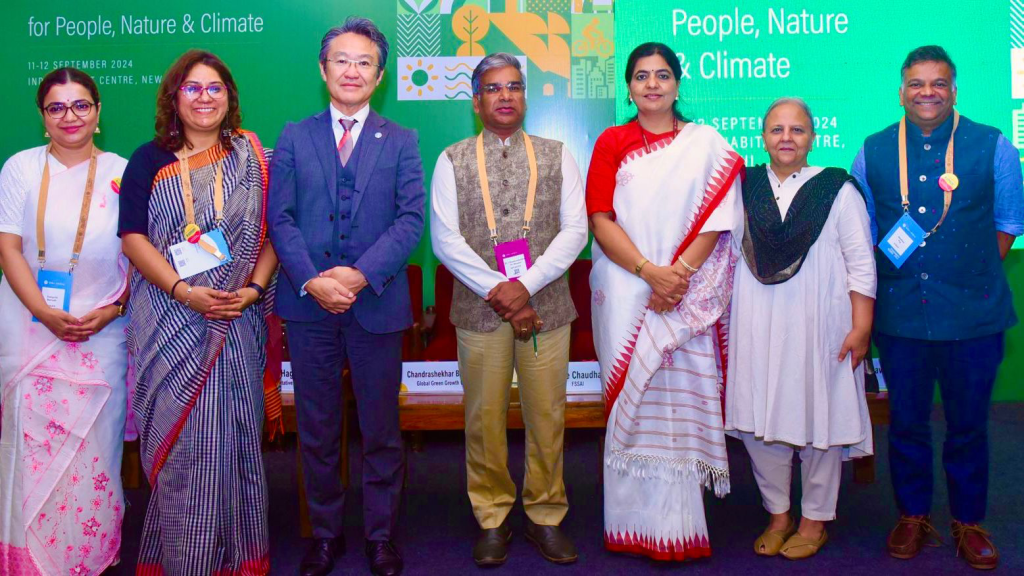
Moderated by Dr Ruchika Singh, Executive Program Director, Food, Land and Water, WRI India and Dr. Sampriti Baruah, Program Head, Sustainable Agriculture, Food, Land and Water, WRI India with distinguished panelists Ms. Yogita Rana, IAS, Joint Secretary, Department Agriculture & Farmers’ Welfare, and Director General, MANAGE, Hyderaba; Mr. Takayuki Hagiwara, Food and Agriculture Organisation of the United Nations (FAO) Representative in India; Ms. Pritee Chaudhary, Regional Director, Food Safety and Standards Authority of India (FSSAI); Padma Shri Reema Nanavaty, Director, Self Employed Women’s Association (SEWA); and Dr. Chandrashekhar M. Biradar, Chairman and Managing Director, Global Green Growth Co. & Former Country Director-India CIFOR-ICRAF
By: media@gggc
Comments: 0
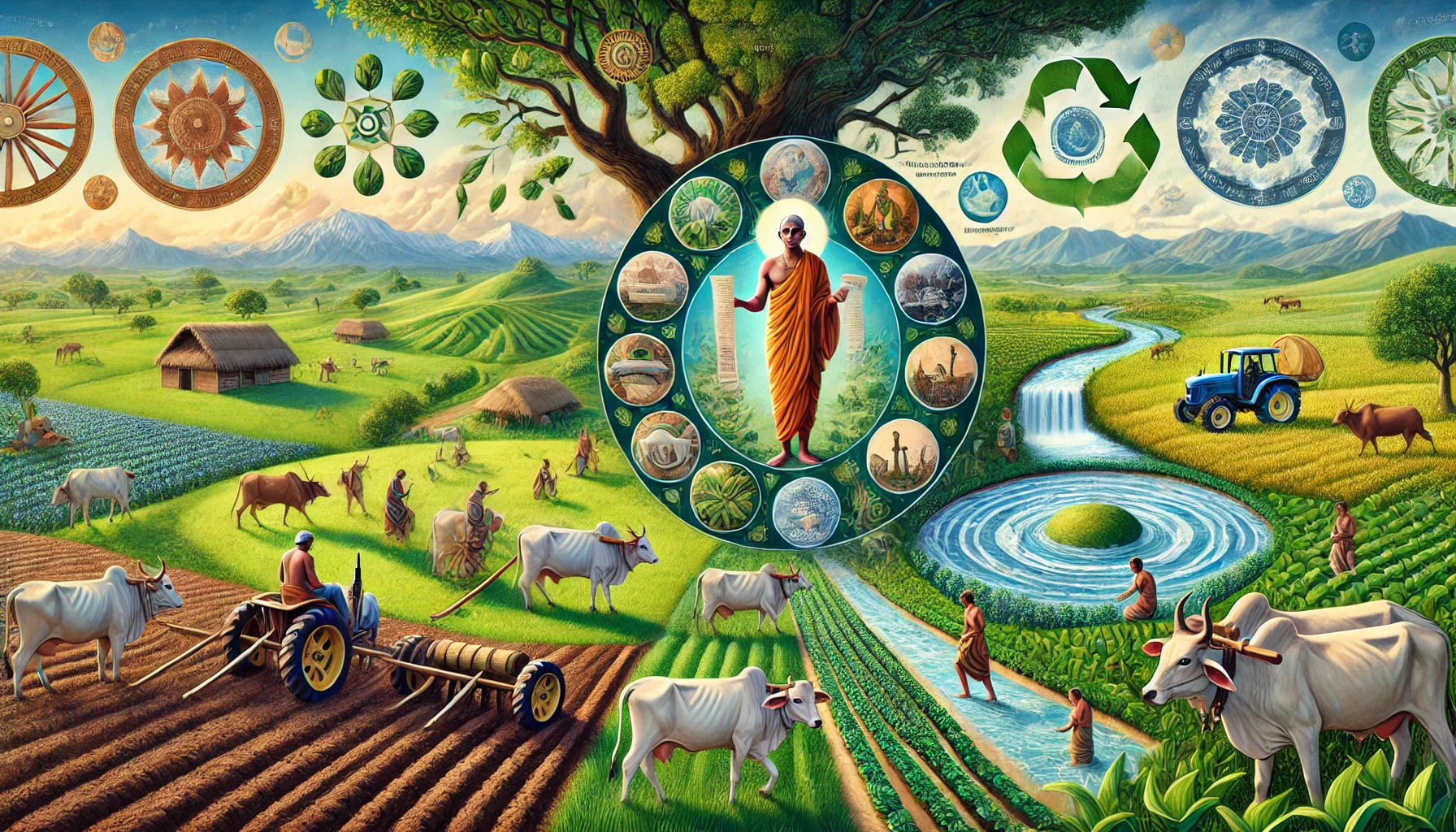
Chanakya’s Arthashastra, Ancient Wisdom and Modern Science for Sustainable Agriculture and Circular Economy for Green Economic Transition (Functional Agroecosystems) By CM Biradar
As the world grapples with the escalating impacts of climate change, biodiversity loss, soil degradation, droughts and floods. We are in search of solutions that not only address these pressing issues but also foster long-term, sustainable, and functional production systems. In this context, the teachings of Chanakya (Kautilya) in his ancient text, the Arthashastra, hold remarkable relevance. Along with other ancient texts like the Matsya Purana, his principles offer profound insights into sustainable resource management. When blended with modern scientific evidence, these ancient teachings provide a comprehensive and actionable blueprint for a global green transition, particularly in the field of agriculture.
In this blog, I tried my best to explore key aspects of sustainable agriculture, how Chanakya’s wisdom aligns with modern science-based approaches to agriculture, soil health, water conservation, and the circular economy, illustrating the timelessness of his ideas and their critical application today. Please note it’s not comprehensive; there may be many verses and literature and various forms of translation as well, which need thorough investigation to document.
Soil Health: Bridging Ancient Wisdom and Modern Science
A nation’s real health is measured by the health of its soil and its people. Healthy Soil is the foundation of life on Earth, supporting agriculture, biodiversity, and the water cycle including regulating temperature. In the Arthashastra, Chanakya emphasized the importance of maintaining soil fertility and warned against over-exploitation of land and its natural resources.
Chanakya’s Wisdom for Today’s Sustainable Agriculture
Did you know that over 2,000 years ago, Chanakya (also known as Kautilya) laid down timeless principles that resonate with modern-day sustainable development? His ancient text, the Arthashastra, is a treasure trove of wisdom on managing land, water, agriculture, trade, and resources—offering insights that apply directly to today’s challenges in sustainable agriculture and the circular economy.
“Kṣetrasyoparibādhā hi bhūmim avakr̥ṣṭāṃ karoti”
“Over-exploitation and neglect of land cause its degradation.”
(Arthashastra, 2.1.28)
Modern science echoes these concerns. Today, research shows that soil degradation caused by overuse of chemical fertilizers, intensive farming, and deforestation leads to loss of soil organic matter, which is crucial for maintaining the health of agricultural systems. According to the Food and Agriculture Organization (FAO), about 33% of the world’s soils are degraded. In India, nearly 60% of arable lands are degraded.
Regenerative Agriculture: Combining Ancient and Modern Approaches
To address soil degradation, regenerative agriculture and agroecosystems approach has emerged as a science-based solution, which aligns with Chanakya’s ancient wisdom.
Soil Health for Food & Nutrition Security:
We grew up thinking food means food, and there was no emphasis on nutrition, as everything was nutritious, but no more. So now, referring to food alone does not necessarily include all the essential nutrien, so its better reference as good food or food and nutrition. The Arthashastra implicitly underscores the significance of healthy soil and its linkages with food and nutritional security —it’s the foundation of strong economies and stable and healthy societies. In today’s world, soil regeneration and sustainable farming practices are key to tackling climate change and enhancing food & nutritional security.
This method focuses on restoring soil health through practices such as:
By incorporating these practices, regenerative agriculture creates carbon sinks, improves biodiversity, and enhances ecosystem services. Scientific studies now show that regenerative practices can sequester significant amounts of carbon—up to 1.85 gigatons annually and reduce surface albedo and cooling down, helping combat climate change and improving food, nutrtion and ecological security.
Biodivesity and Seed Saving
Chanakya highlights the importance of soil organisms and the health of the land in agriculture, which is crucial for a resilience and farmer’s success. This concept is central to both ancient wisdom and modern scientific understanding of crop, and soil biodiversity. Though the Arthashastra doesn’t explicitly mention microorganisms as we understand them today, it does reference the vitality of soil and the importance of managing land to sustain life.
“Bhūmiḥ phalaḥ karṣakānāṃ rakṣitaḥ yasmin ādhayaḥ syuḥ”
“The land gives its fruits to those who protect it and cultivate it well.”
(Arthashastra, 2.1.12)
This can be extended to include the understanding that the living organisms in the soil, which are now recognized as essential for nutrient cycling and plant health, are part of what needs to be “protected” and nurtured.
“Bījaṃ rakṣitam āhārasya sāraṃ rakṣati”
“The protection of seeds ensures the essence of sustenance.”
This verse emphasizes the importance of seed saving as a crucial practice for ensuring food security and agricultural sustainability. By safeguarding seeds, future generations can rely on resilient and diverse crop varieties, just as ancient agricultural systems did.
Water Conservation: Ancient Lessons and Modern Technology
Water is the lifeblood of agriculture, and Chanakya recognized its vital role in ensuring the success of farming systems.
Water Conservation:
He believed that water bodies should be protected and maintained to ensure a continuous and sustainable supply. In today’s terms, this is a reminder of the importance of rainwater harvesting, Springsheds, sustainable irrigation, and water stewardship in agriculture
“Apām pālanam āmr̥ṣṭir yathā pākam anuvartate”
“The maintenance of soil water ensures the timely ripening of crops.”
(Arthashastra, 2.24)
Today, modern science not only reaffirms the need for sustainable soil water management but also provides us with innovative solutions to achieve it. With agriculture accounting for about 70% of global freshwater use, conserving water in farming and on-farm water (in soil and sub-surface flow) management is essential to ensuring long-term food security.
Modern Solutions for Water Stewardship
Land and Water Management:
Chanakya emphasized the importance of soil and water health as critical to a thriving kingdom. He proposed policies to prevent soil erosion, conserve water, preserve springsheds, ensure the perineal flow of the main-streams and rivers by keeping land and soil healthy, crop diversity, and rotate crops to maintain the fertility of the land—just like the principles we follow in regenerative agriculture today. By nourishing the soil, we preserve its ability to sequester carbon, boost biodiversity, and ensure food security for generations.
Modern science-based solutions for water conservation include:
These modern methods align perfectly with Chanakya’s emphasis on careful and efficient water use. By merging traditional wisdom with advanced irrigation technologies, we can sustainably manage water resources, even in regions facing water scarcity.
Circular Economy: From Ancient Resource Management to Modern Sustainability
Chanakya’s Arthashastra emphasized efficient resource management, where every asset should be reinvested into productive systems to avoid wastage. His vision resonates with today’s concept of the circular economy, recule and reuse which aims to close the loop on waste by ensuring that resources are reused, recycled, or regenerated.
Circular Economy : Chanakya’s idea of resource management focused on avoiding wastage and reinvesting back into the ecosystem. He stressed that every resource, from agricultural yields to trade goods, should be reused or repurposed for the well-being of society. This aligns with the circular economy today, where waste is minimized, and resources are regenerated—keeping our lands and ecosystems in balance.
“Ayasaḥ kāryārthibhī rāṣṭraṃ nityam asya samr̥ddhyai”
“The land (and its resources) should be constantly (and sustainably) utilized for the prosperity of the land and kingdom.”(Arthashastra, 2.1.20)
Scientific Advancements in the Circular Economy: Today’s circular economy, supported by cutting-edge scientific innovation, seeks to reduce the environmental footprint of agriculture through practices such as:
These modern applications of the circular economy bring Chanakya’s ancient philosophy into the 21st century. Science enables us to apply these time-tested concepts at scale, driving both economic growth and environmental sustainability.
Agroforestry: Ancient Teachings and Modern Science in Action
The Matsya Purana provides a profound statement on the importance of trees in sustaining life and agriculture:
“Dasha-kūpa-samā vāpī, dasha-vāpī-samo hradaḥ
Dasha-hrada-samaḥ putro, dasha-putra-samo drumaḥ”
“A pond is worth ten wells, a reservoir is worth ten ponds, a son is worth ten reservoirs, but a tree is worth ten sons.”
(Matsya Purana 154:512)
This ancient wisdom recognizes the crucial role trees play in maintaining ecosystem balance, a concept that is backed by modern scientific research. Studies show that agroforestry, where trees are integrated into agricultural landscapes, not only increases biodiversity but also improves soil health, sequesters carbon, and supports climate resilience.
Scientific Evidence Supporting Agroforestry
By combining ancient wisdom with modern scientific evidence, agroforestry provides a solution for sustainable agriculture that addresses both environmental and economic goals.
Global Green Growth: Fusing Tradition with Modern Science
Chanakya’s ancient wisdom, complemented by modern scientific advances, offers a powerful roadmap for global green growth, especially in agriculture. The transition to a green economy will require not only new technologies but also a return to the holistic practices that have sustained civilizations for millennia.
Trade and Agriculture: Chanakya recognized the importance of trade in agriculture, stating that prosperity grows when trade is based on collective actions, sustainable practices and ethical resource management. His strategies encourage modern agribusiness to embrace fair share and fair trade, ensure farmers get their due, and invest in practices that benefit both the land and the economy.
Key Strategies for Green Economic Transition:
Together, these strategies form the basis of a sustainable agricultural system that nurtures the environment while providing economic opportunities for future generations.
#GlobalGreenGrowth #SustainableAgriculture #ChanakyaWisdom #CircularEconomy #RegenerativeFarming #WaterConservation #Agroforestry #SoilHealth #ModernScience #GreenEconomy